Avid Armor USV20 Review: A Chamber Sealer Built for Liquids, Capped at 11×10 Pouches
Updated October 28, 2026
As an Amazon Associate we earn from qualifying purchases. This never changes which products we recommend.
Verdict
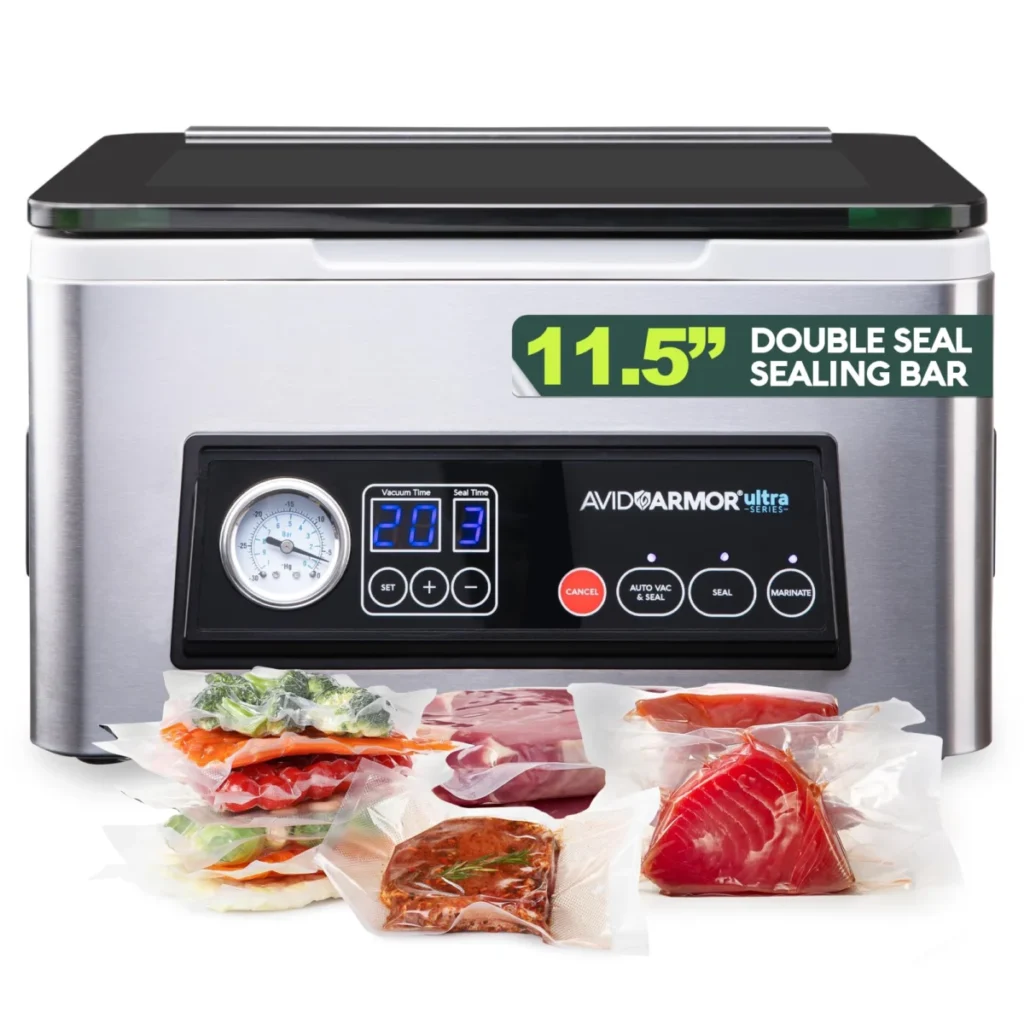
Worth considering
The Avid Armor USV20 is a sensible first chamber sealer for a household that seals liquids, marinades or wet game often and has a spare stretch of counter for a 17.3 lb machine. Its decisive limitation is capacity: the 4L chamber and 11.5 inch seal bar cap pouch size at 11×10 inches, so bulk batch sealing and very wide cuts belong on a larger chamber model.
- Best for: Cooks who seal soups, stews, brines and marinades that ruin an external suction sealer, Hunters and anglers portioning wet game and fish without moisture spoiling the seal, Sous vide cooks packing wet seasonings, butter or oil with the protein
- Not for: Large households sealing whole primals or very wide cuts in volume, Buyers who want the lowest upfront price and only seal dry goods occasionally
Key takeaways
- The USV20 is a chamber vacuum sealer, so it pulls a vacuum from the whole chamber and can seal soup, brine and marinade without liquid being sucked toward the pump.
- It uses smooth chamber pouches up to 11×10 inches, not embossed channel bags, which lowers the ongoing cost per bag.
- The main drawback is size: a 4L chamber and 11.5 inch seal bar suit family portions but not large batches or wide cuts.
- At 17.3 lb with a 14 by 12 inch body, it is light enough to store in a pantry but still wants dedicated counter space during a sealing session.
Table of contents12 sections · tap to expand
The Avid Armor USV20 is a chamber vacuum sealer with a 4L stainless steel chamber, an 11.5 inch heating bar and a 300 W motor, built for home cooks who are tired of liquid pulling the seal on an external suction sealer. This Avid Armor USV20 review focuses on the one question that matters before you spend chamber-sealer money: does its capacity and footprint match how you actually seal food?
For a household that portions wet meat, preps sous vide bags or puts up soup and marinade, the answer is usually yes. The chamber design removes air from the entire cavity at once, so liquids stay in the pouch instead of being drawn toward the pump. The tradeoff is that a compact chamber machine caps how much you can seal at once, and that limit is worth understanding before you buy.
Specifications
Key specifications
| Specification | Detail | Why it matters |
|---|---|---|
| Type | Chamber sealer | A chamber sealer vacuums the whole cavity, which is what lets it handle liquids that an external sealer cannot. |
| Power | 300 W | Modest power suits home-volume sealing rather than continuous commercial runs. |
| Wet foods | Chamber design (liquids) | Soups, brines and marinades can be sealed directly without pre-freezing. |
| Weight | 17.3 lb | Light enough for one person to lift between counter and pantry storage. |
| Chamber | 4L stainless steel (12.25"Wx8.5"Lx3"H) | Sets the real limit on pouch and food size, so check your portions against it. |
| Seal bar | 11.5 in heating bar | Caps the widest pouch the machine can close and is user-replaceable when it wears. |
| Pouch compatibility | smooth pouches up to 11×10 in | Smooth chamber pouches cost less per bag than embossed channel bags over time. |
Chamber sealer or external sealer: which one fits your kitchen?
An external suction sealer pulls air from the open end of a bag, so any liquid near that opening gets drawn toward the pump and can spoil the seal. A chamber vacuum sealer places the whole pouch inside a sealed cavity and removes air from all around it at once, which is why the USV20 can close a pouch of soup or marinade without the mess. If your sealing is mostly dry goods, an external model is cheaper and smaller.
Choose the USV20 if wet or semi-liquid food is a regular part of your routine: brines for game, marinades, stews, or sous vide bags with butter and oil. Skip a chamber machine entirely if you seal mostly dry pantry staples and freezer portions of solid meat, because an external sealer handles those jobs at a lower price and a smaller footprint.
What actually fits inside the USV20 chamber?
The chamber measures 12.25 inches wide by 8.5 inches long by 3 inches high, and the machine is rated for smooth pouches up to 11×10 inches. In practice that means family-size portions: a few chicken breasts, a steak or two, a pound of ground meat, a fillet, or a pouch of soup. The 3 inch chamber height is the figure to watch, because a tall, rigid item or an overfilled pouch will not clear the lid.
The 11.5 inch heating bar sets the widest pouch the machine can close, so a pouch wider than that cannot be sealed even if it fits the chamber. If you routinely seal whole primals, large roasts or wide fish sections, the chamber and bar will feel tight, and a larger chamber model is the honest answer.
Liquids, marinades and wet game: where the chamber design earns its price
Liquid handling is the reason to buy a chamber sealer at all. Because the USV20 equalizes pressure across the whole chamber, a pouch of stew, stock or brine is not pulled toward a suction port, so it seals without spills or a failed seam. The marinate mode uses that same pressure change to drive marinade into meat faster than soaking alone, which shortens the wait for same-week cooking.
The gentle mode matters for soft or delicate food that a strong external pull would crush. For hunters and anglers, the practical gain is that wet game and fish go straight into a pouch without blotting and pre-freezing first. Vacuum sealing slows oxidation and freezer burn but does not make food safe on its own, so keep sealed perishables refrigerated or frozen and follow USDA or FDA guidance.
Bag compatibility and what the pouches cost over time
The USV20 takes smooth chamber pouches, not the embossed channel bags an external sealer needs. That distinction matters for running cost: smooth pouches are generally the cheaper bag type, and because they have no textured channel they also seal cleanly across the full width. Plan on pouches up to 11×10 inches, and check thickness in mil against the manufacturer's guidance for freezer and sous vide use.
The seal bar is user-replaceable, which spreads the cost of wear over years rather than pushing you toward a new machine. Over a few seasons of regular sealing, the lower pouch price is part of what offsets the higher upfront cost of a chamber machine compared with an external sealer.
Footprint, weight and the counter-space tradeoff
The body measures 14 inches wide by 12 inches deep by 8.25 inches high and weighs 17.3 lb, so it fits under upper cabinets and one person can lift it into a pantry between sessions. That is genuinely compact for a chamber sealer, and it is the strongest argument for this model over larger chamber machines that need a permanent, heavy station.
The tradeoff is that a chamber sealer still wants clear counter space while you work, because the lid has to open fully and pouches need room to load. If your kitchen has no spare stretch of counter, measure before buying: a machine that lives in a cupboard and only comes out for big jobs gets used far less than one left in place.
Cleaning, maintenance and daily routine
A chamber sealer needs less fiddling than an external model in one respect: there is no suction channel to clog with liquid, so cleanup is mainly wiping the chamber and the seal bar after wet jobs. Check the bar and the lid gasket for food residue, since a dirty or worn gasket is a common cause of a weak vacuum, and let the machine come to temperature before a long session.
The USV20 is not an oil-bath pump machine, so there are no oil changes to schedule. The routine is simple: wipe the chamber, keep the seal bar clean, and replace the bar when seals start failing. If you seal often, a quick wipe after each wet batch prevents most problems.
Strengths and weaknesses
Pros and cons
Pros
- True chamber design seals soups, brines and marinades without the liquid mess an external sealer makes
- Smooth chamber pouches up to 11×10 inches cost less per bag than embossed channel bags
- Compact 14 by 12 inch body and 17.3 lb weight fit under cabinets and store in a pantry
- Gentle and marinate modes protect delicate food and speed up flavor infusion
- User-replaceable 11.5 inch seal bar keeps long-term upkeep inexpensive
Cons
- 4L chamber and 11.5 inch seal bar limit pouch size to 11×10 inches, so large batches and wide cuts do not fit
- Higher upfront cost than an external suction sealer for buyers who mostly seal dry goods
- Needs clear counter space while the lid is open, even though it stores compactly
Other options
Alternatives to consider
Avid Armor USV32
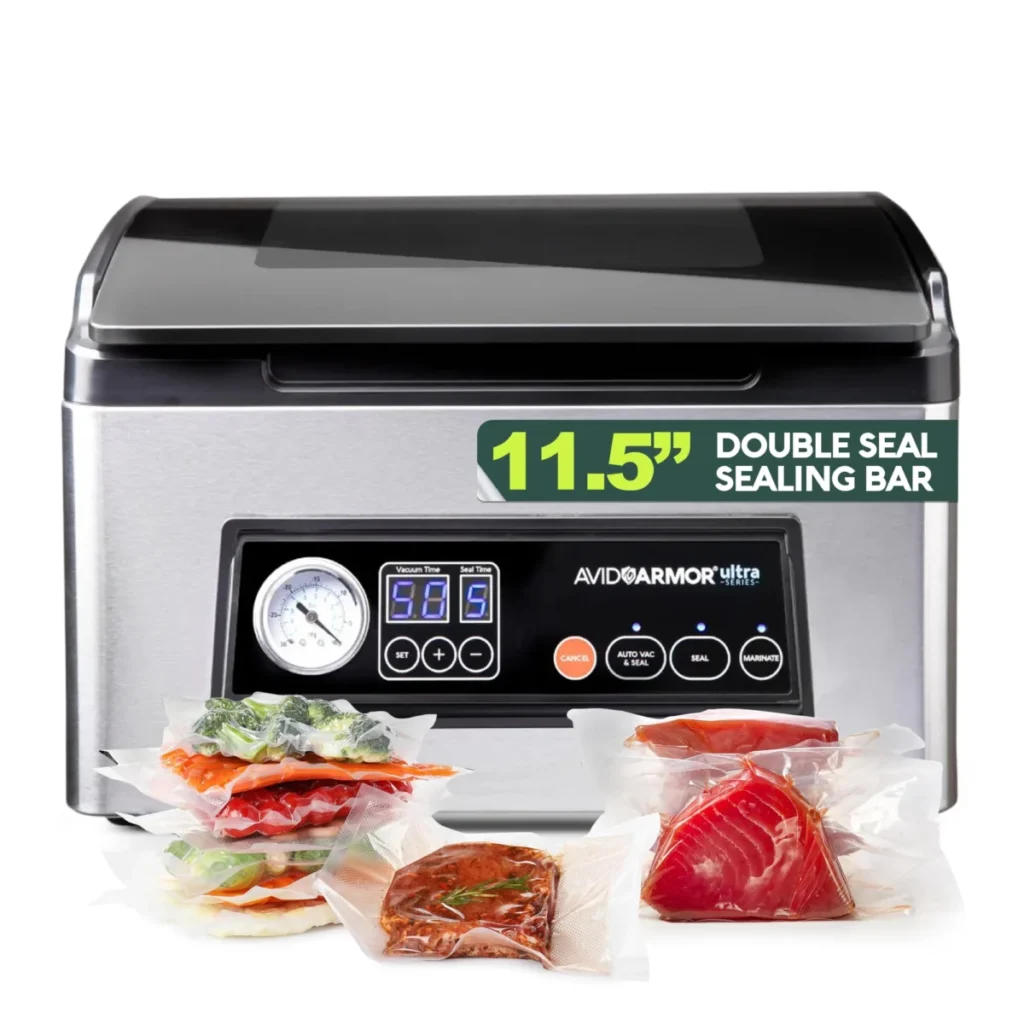
Choose the USV32 if you need more sealing capacity and a heavier stainless build for high-volume use, and can accept a 26.4 lb machine.
Avid Armor USVX
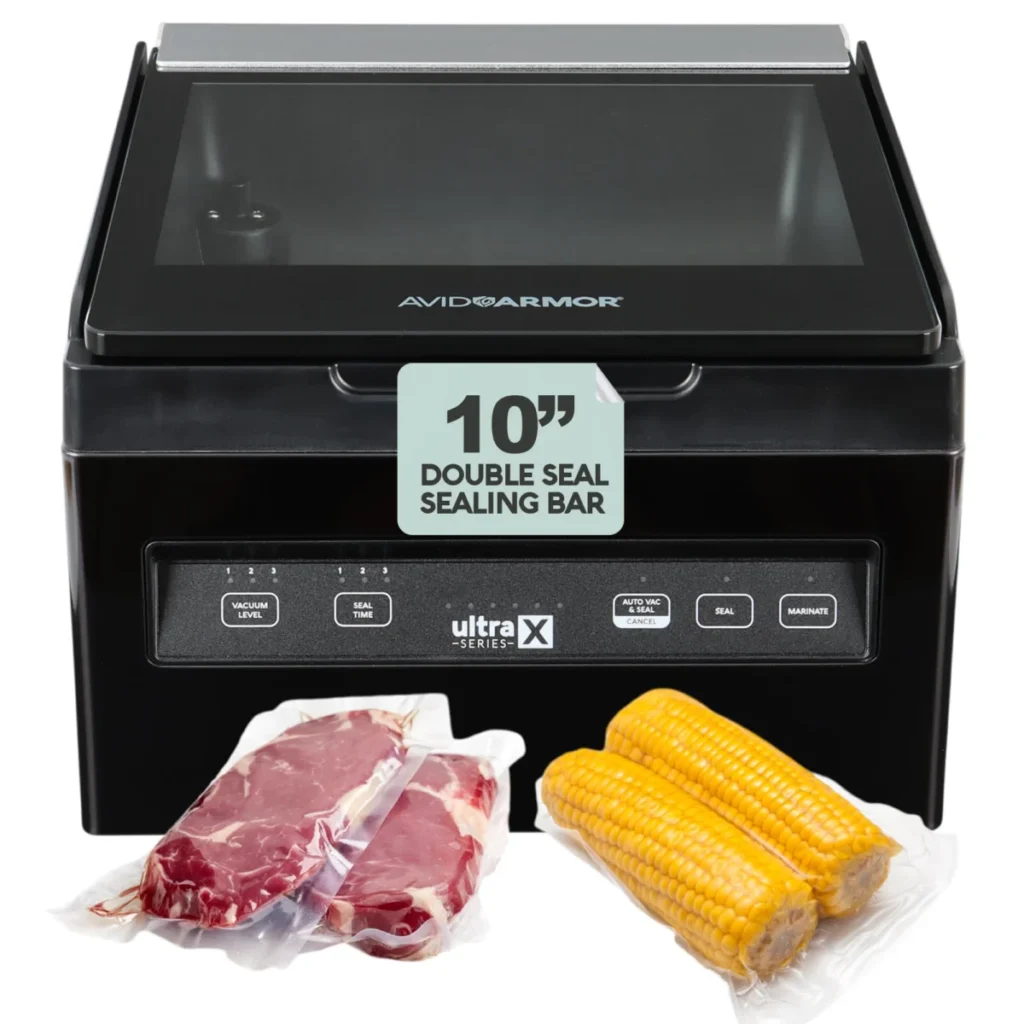
Choose the USVX if you want a double heat seal, an accessory port and jar sealing, and a 10 inch seal bar is enough for your pouches.
Common questions
Frequently asked questions
Can the Avid Armor USV20 seal liquids and soup?
Yes. Because it is a chamber sealer, the USV20 removes air from the whole cavity at once, so soup, stew and brine stay in the pouch instead of being pulled toward a pump. Keep sealed perishables refrigerated or frozen and follow USDA or FDA guidance.
What bags does the Avid Armor USV20 use?
It uses smooth chamber pouches up to 11×10 inches, not embossed channel bags. Smooth pouches are generally cheaper per bag, which lowers running cost, but check the thickness in mil against the manufacturer's guidance for freezer and sous vide use.
How big is the USV20 chamber and what bag sizes fit?
The chamber is 4L stainless steel, measuring 12.25 inches wide by 8.5 inches long by 3 inches high, and smooth pouches up to 11×10 inches fit. The 3 inch height is the figure to check against tall or overfilled items, and the 11.5 inch seal bar caps pouch width.
Is a chamber vacuum sealer worth it for home use?
It is worth it if you regularly seal liquids, marinades or wet game, because an external sealer struggles with those jobs. If you mostly seal dry goods and solid freezer portions, an external suction sealer costs less and takes less space.
How much does the Avid Armor USV20 weigh and does it need its own counter space?
It weighs 17.3 lb with a 14 by 12 inch body, so it fits under upper cabinets and one person can move it. It still needs clear counter space while the lid is open, so measure your workspace before buying.
Can the USV20 be used for sous vide and marinating?
Yes. The marinate mode speeds flavor infusion for same-week cooking, and the gentle mode protects delicate food, which suits sous vide prep with wet seasonings, butter or oil. Use pouches rated for the temperatures you cook at.
Bottom line
Should you buy the Avid Armor USV20?
Buy the Avid Armor USV20 if liquids, marinades or wet game are a regular part of your sealing and you want a chamber machine that fits under a cabinet and moves easily. Its 4L chamber and 11.5 inch seal bar suit family portions, and smooth pouches keep the running cost down.
Skip it if you mostly seal dry goods or large batches: an external sealer is cheaper for dry work, and a larger chamber model such as the Avid Armor USV32 or USVX is the better fit when capacity or a double heat seal matters more than footprint.
Keep reading
Avid Armor USV32 Review: Does the 11.5 Inch Chamber Bar Earn Its Counter Space?
Is the Avid Armor USV32 worth it? Our review weighs sealer type, vacuum pressure and seal bar width, its pros and cons,…
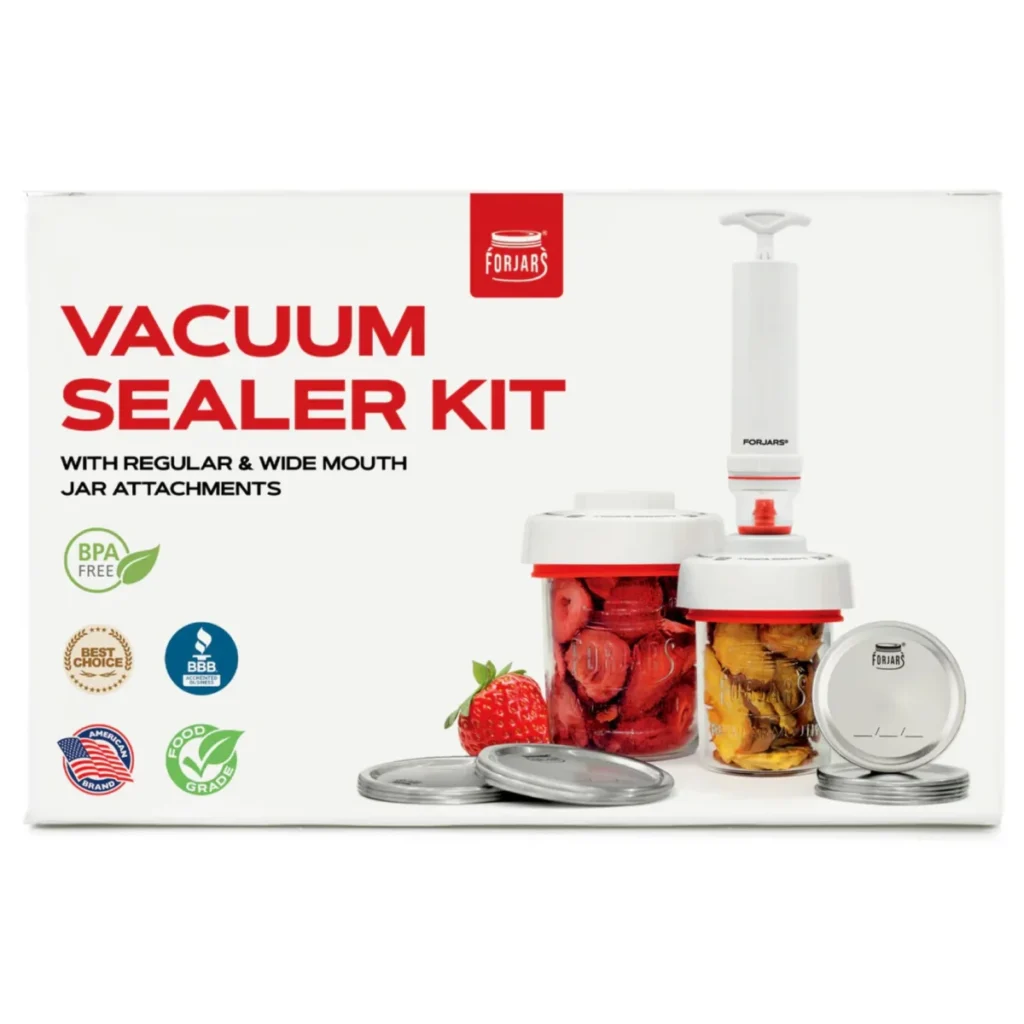
Handheld Mason Jar Vacuum Sealers: Which Pump Fits Your Lids and Food
The FORJARS Jar Vacuum Sealer Set is our top pick among 7 handheld mason jar vacuum sealer, compared on sealer type and…
Vacuum Sealing Fish and Seafood: Prep First, Then Seal
A clear, practical answer to vacuum sealing fish and seafood, with the steps, the common mistakes and what to do next.